

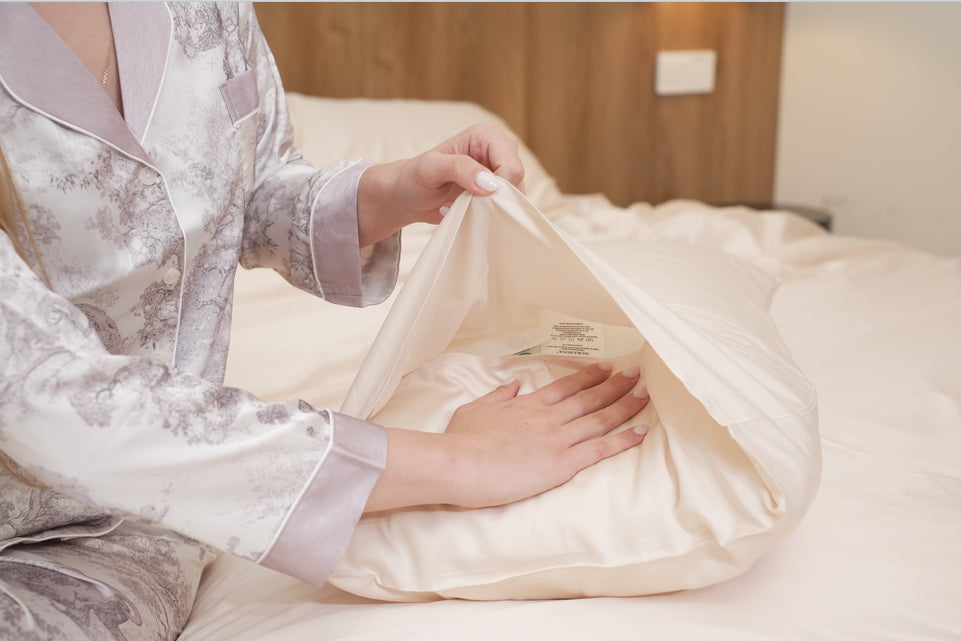
For individuals with sensitive skin, eczema, or allergies, the choice of fabric affects comfort and health. Traditional textiles such as polyester can trap heat and moisture, while even natural fibers like wool or low-grade cotton may cause irritation. Bamboo fiber, especially when mechanically or enzymatically processed, offers a unique solution. Naturally hypoallergenic, antibacterial, and dust-mite resistant, bamboo textiles are softer, safer, and healthier, making them ideal for babies, children, and those with delicate skin.
Naturally Hypoallergenic Bamboo fiber contains fewer chemical additives than synthetic textiles, and when mechanically processed, it retains its natural plant-based integrity. Unlike chemically regenerated bamboo viscose, which undergoes heavy solvent treatment, mechanically extracted bamboo (also called bamboo linen) avoids skin-irritating residues. This makes it less likely to trigger allergies or rashes, providing a gentler touch for sensitive skin. Antibacterial and Odor Resistant Peer-reviewed studies confirm that bamboo exhibits antimicrobial properties due to bio-agents naturally present in the plant’s lignin and cellulose structures [1]. These properties are better preserved in natural bamboo fibers compared to chemically regenerated ones. For wearers, this means fabrics that resist bacterial growth, reduce odor, and remain fresh longer, a particularly important factor for bedsheets and sleepwear, which come into prolonged contact with the skin. Breathable and Moisture-Wicking One of bamboo’s most celebrated qualities is its micro-gap structure, which enhances ventilation. This natural breathability helps regulate body temperature, wick away excess moisture, and keep the skin dry [2]. For sensitive or eczema-prone individuals, staying cool and dry during sleep prevents flare-ups and irritation. A cooler, breathable fabric translates directly to more restful, uninterrupted sleep. Dust-Mite Resistant and Safe for All Ages Dust mites are one of the most common household allergens, often thriving in bedding. Bamboo’s natural antibacterial qualities, along with its ability to stay dry, make it far less hospitable to mites compared to cotton or synthetic fibers. Unlike traditional bedding, where frequent washing may reduce but not eliminate mite populations, bamboo creates an inhospitable environment from the start, helping to prevent dust mite growth rather than just managing it after the fact [3]. This makes bamboo sheets and blankets particularly well-suited for children, infants, and the elderly, who may be more vulnerable to respiratory sensitivities. A Safer, Sustainable Choice Beyond skin health, bamboo fiber is an eco-conscious textile. Made from sustainable bamboo, this option is naturally eco-friendly, OEKO-TEX certified, and free from harmful chemicals. Mechanical bamboo fiber avoids the harsh chemical footprint of viscose and retains the plant’s natural qualities. This makes it a safer, sustainable choice not just for the skin but also for the environment. Debating between cotton or bamboo? Read our research “Bamboo vs. Cotton: Which Is Better for Your Skin, Sleep, and the Planet?” [link to article 4] Want luxury that cares for you and the planet? Discover more at oceanova.com [link to website] and join our ocean promise [link to article 5] 1. https://www.nature.com/articles/s41598-023-45523-3 2. https://www.sciencedirect.com/science/article/pii/S2773139124000338 3. https://pmc.ncbi.nlm.nih.gov/articles/PMC3658589


