

Polyester sheets had their run, but no one’s writing love songs about static cling and sweat stains. The college dorms’ synthetic setup often leaves your one-night stand swearing it’ll be the last night. Fabric could be the ultimate dealbreaker. Natural textiles, on the other hand, are the true romance language of interiors and it’s time for an upgrade. Bamboo, cotton, silk are the hallmark of comfort. They don’t just cover you, they caress you. Slip into bamboo sheets and you’re not just “Netflix and chill,” you’re “Netflix and still here in the morning.” Everything has been Polyester The obsession isn’t surprising. Polyester is made from the same material as takeout containers and feels like a plastic bag in disguise. In recent years, over 70% of textiles have been replaced with polyester due to its inexpensive and durable nature [1]. The drawbacks? This fabric is not breathable, which means it traps body heat and moisture, leading to discomfort, overheating, and poor sleep quality. Unlike natural fibers such as bamboo or cotton, polyester does not wick away moisture effectively, making it less hygienic. While not a new topic, we are quickly realizing the effects of our choices on the planet. Polyester production is energy-intensive and contributes to microplastic pollution every time it is washed, raising concerns about its environmental impact and chemical exposure [2]. These microplastics pollute waterways and enter the food chain, where they’ve been linked to bioaccumulation and hormone disruption in both animals and humans. This hidden cycle makes polyester not just a personal comfort issue, but a broader health and ecological concern. As a petroleum-based synthetic, polyester is manufactured using substances such as antimony, phthalates, and other finishing agents. Some of these chemicals are well studied and documented endocrine disruptors, which means they can interfere with the body’s hormonal balance [3]. Over time, consistent exposure to such compounds impact reproductive health, metabolism, and overall well-being [4]. While the levels of chemicals in fabrics may vary, the potential risk is enough to make many consumers rethink what they bring into their bedrooms. Natural Alternatives as a Solution In contrast, natural fibers such as bamboo, organic cotton, or linen are free from petroleum-based polymers and do not rely on endocrine-disrupting chemicals during production. They are breathable, biodegradable, and safer for sensitive skin, making them a holistically healthier choice. Natural fibers breathe, drape, and invite you in like a perfectly timed compliment. For anyone aiming to create a toxin-free home environment, choosing natural textiles over polyester is a simple but powerful step toward better sleep, better health, and a more sustainable lifestyle. It’s the difference between a cheap pickup line and poetry. Polyester may get you through the night, but natural textiles will get you through life (and maybe even through breakfast in bed). To learn more about natural fiber alternatives, read our research about the different options in the market and “How to avoid getting bamboo-zled”. [link to article 2] Debating between cotton or bamboo? Read our research “Bamboo vs. Cotton: Which Is Better for Your Skin, Sleep, and the Planet?” [link to article 4] 1. https://orbasics.com/blogs/stories/chemicals-in-clothing-is-polyester-an-endocrine-disruptor-1 2. https://pmc.ncbi.nlm.nih.gov/articles/PMC5766707 3. https://pmc.ncbi.nlm.nih.gov/articles/PMC2854718/ 4. https://pubmed.ncbi.nlm.nih.gov/36726457/
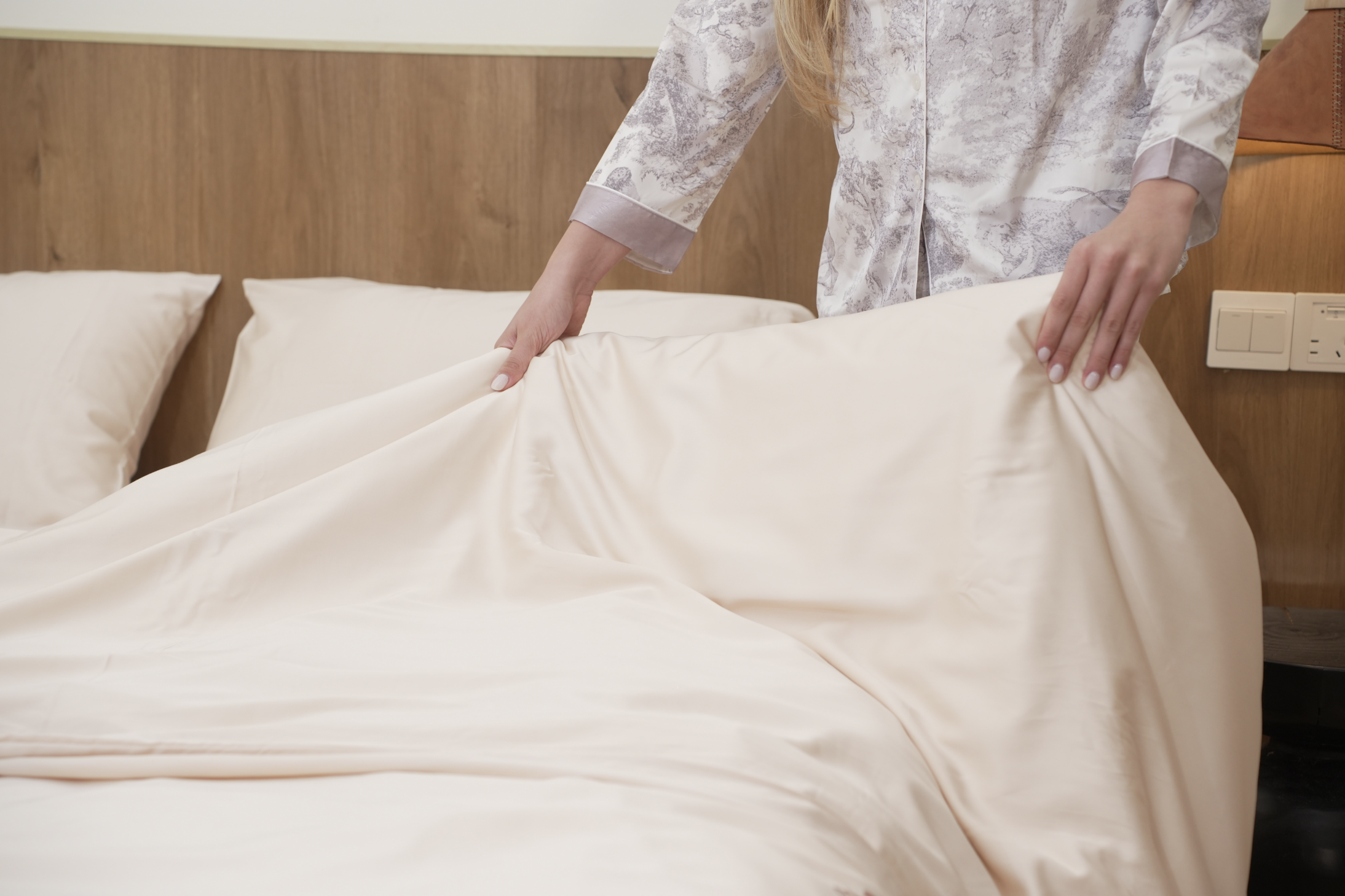
What’s the obsession with natural textiles?
Related Posts

Bamboo vs. Cotton: Which is better for your skin, sleep, and sustainability?
Cotton has long been the world’s most popular natural fiber, used in everything from clothing to bedsheets. But in recent years, bamboo fiber has gained attention as a softer, more sustainable, and skin-friendly alternative. Both are plant-based and breathable, yet the way they are grown, processed, and experienced by consumers differs significantly. For families looking for healthier fabrics and eco-conscious choices, the comparison between bamboo and cotton is worth careful consideration. Skin Sensitivity Cotton sheets are comfortable and widely available, but depending on the weave and quality, they can feel coarse or cause irritation, especially for those with sensitive skin. Conventional cotton also requires heavy pesticide use, which can leave chemical residues if the fabric is not organic or OEKO-TEX certified. Bamboo, especially when mechanically processed, produces a naturally hypoallergenic, antibacterial, and ultra-soft fiber. It retains more of bamboo’s natural antimicrobial properties, making it less likely to trigger allergies or skin reactions. Research published in Scientific Reports (2023) shows that mechanically extracted bamboo maintains higher cellulose and lignin content, which enhances durability and natural antimicrobial effects [1]. Breathability and Moisture Management Cotton is known for being breathable, but it tends to absorb and retain moisture, meaning sweat can stay trapped in the fibers. This creates a less comfortable sleeping environment and can encourage bacterial growth [2]. Bamboo, on the other hand, features a micro-gap structure that enhances airflow and wicks away moisture more effectively. This makes bamboo textiles naturally temperature-regulating, keeping sleepers cooler in summer and warmer in winter. The moisture-wicking capacity also supports skin health, particularly for those prone to eczema or night sweats Environmental Impact Cotton is one of the most resource-intensive crops on the planet. According to the World Wildlife Fund, producing just one cotton shirt requires about 2,700 liters of water — the amount one person drinks in two and a half years. Cotton also accounts for 16% of global insecticide use, more than any other single crop [3]. By contrast, bamboo grows rapidly without pesticides or fertilizers, often reaching maturity in 3–5 years. It requires little irrigation, relying mostly on natural rainfall. When processed mechanically, bamboo fiber offers one of the lowest environmental footprints of any textile fiber. However, it is important to note that bamboo viscose, the chemically regenerated version, can carry a heavier environmental cost unless produced under strict eco-certified systems [4]. Durability and Longevity High-quality cotton can last for years, but its fibers weaken more quickly with repeated washing, particularly if exposed to heat. Bamboo’s long, strong fibers (when mechanically extracted) provide superior tensile strength, as shown in mechanical studies of bamboo composites, where tensile strength values exceeded 750 MPa [1]. For bedding and clothing, this means bamboo fabrics often retain their softness and shape longer, reducing the need for replacements. Healthier Home Living Dust mites thrive in damp cotton bedding, and while frequent washing can reduce their presence, it doesn’t fully eliminate them. Bamboo’s antibacterial qualities and moisture control create an environment that is naturally resistant to dust mites, reducing allergen exposure at home [5]. This makes bamboo textiles especially valuable for infants, children, and the elderly who may be more sensitive to allergens, and busy parents or caregivers who may not be able to wash their sheets daily. 1. https://www.nature.com/articles/s41598-023-45523-3 2. https://www.sciencedirect.com/science/article/pii/S1665642317300391 3. https://www.worldwildlife.org/industries/cotton 4. https://www.sciencedirect.com/science/article/pii/S2773139124000338 5. https://pmc.ncbi.nlm.nih.gov/articles/PMC3658589 Ready to experience the difference? Discover why bamboo fiber is gentle on sensitive skin [linked to article 2] or shop Oceanova’s eco-friendly bamboo bedding collection [CTA to website].
Learn more
Sensitive Skin? The problem may be your clothing and bedding.
For individuals with sensitive skin, eczema, or allergies, the choice of fabric affects comfort and health. Traditional textiles such as polyester can trap heat and moisture, while even natural fibers like wool or low-grade cotton may cause irritation. Bamboo fiber, especially when mechanically or enzymatically processed, offers a unique solution. Naturally hypoallergenic, antibacterial, and dust-mite resistant, bamboo textiles are softer, safer, and healthier, making them ideal for babies, children, and those with delicate skin. Naturally Hypoallergenic Bamboo fiber contains fewer chemical additives than synthetic textiles, and when mechanically processed, it retains its natural plant-based integrity. Unlike chemically regenerated bamboo viscose, which undergoes heavy solvent treatment, mechanically extracted bamboo (also called bamboo linen) avoids skin-irritating residues. This makes it less likely to trigger allergies or rashes, providing a gentler touch for sensitive skin. Antibacterial and Odor Resistant Peer-reviewed studies confirm that bamboo exhibits antimicrobial properties due to bio-agents naturally present in the plant’s lignin and cellulose structures [1]. These properties are better preserved in natural bamboo fibers compared to chemically regenerated ones. For wearers, this means fabrics that resist bacterial growth, reduce odor, and remain fresh longer, a particularly important factor for bedsheets and sleepwear, which come into prolonged contact with the skin. Breathable and Moisture-Wicking One of bamboo’s most celebrated qualities is its micro-gap structure, which enhances ventilation. This natural breathability helps regulate body temperature, wick away excess moisture, and keep the skin dry [2]. For sensitive or eczema-prone individuals, staying cool and dry during sleep prevents flare-ups and irritation. A cooler, breathable fabric translates directly to more restful, uninterrupted sleep. Dust-Mite Resistant and Safe for All Ages Dust mites are one of the most common household allergens, often thriving in bedding. Bamboo’s natural antibacterial qualities, along with its ability to stay dry, make it far less hospitable to mites compared to cotton or synthetic fibers. Unlike traditional bedding, where frequent washing may reduce but not eliminate mite populations, bamboo creates an inhospitable environment from the start, helping to prevent dust mite growth rather than just managing it after the fact [3]. This makes bamboo sheets and blankets particularly well-suited for children, infants, and the elderly, who may be more vulnerable to respiratory sensitivities. A Safer, Sustainable Choice Beyond skin health, bamboo fiber is an eco-conscious textile. Made from sustainable bamboo, this option is naturally eco-friendly, OEKO-TEX certified, and free from harmful chemicals. Mechanical bamboo fiber avoids the harsh chemical footprint of viscose and retains the plant’s natural qualities. This makes it a safer, sustainable choice not just for the skin but also for the environment. Debating between cotton or bamboo? Read our research “Bamboo vs. Cotton: Which Is Better for Your Skin, Sleep, and the Planet?” [link to article 4] Want luxury that cares for you and the planet? Discover more at oceanova.com [link to website] and join our ocean promise [link to article 5] 1. https://www.nature.com/articles/s41598-023-45523-3 2. https://www.sciencedirect.com/science/article/pii/S2773139124000338 3. https://pmc.ncbi.nlm.nih.gov/articles/PMC3658589
Learn more
How to avoid getting bamboo-zled
Bamboo has become one of the most talked-about materials in the textile and lifestyle industry, valued for its rapid renewability, softness, and eco-friendly appeal. Yet, not all bamboo fabrics are created equal. The way bamboo is processed into fiber determines not only the quality of the fabric but also its environmental footprint. The transformation of bamboo into textile-grade fiber can be broadly divided into two categories: (i) chemical regeneration, which produces fibers such as bamboo viscose and bamboo lyocell, and (ii) mechanical or natural extraction, which produces a linen-like fiber often termed bamboo linen [1]. Each method yields distinct fiber structures, with corresponding implications for performance, sustainability, and commercial scalability. Understanding the differences between these processing methods is essential for anyone interested in eco-friendly bamboo textiles, sustainable fashion, natural home essentials, and a good night’s sleep. Chemical Regeneration of Bamboo While chemically processed bamboo fabrics are soft and affordable, they are technically regenerated cellulose fibers. The chemical pathway, responsible for the majority of bamboo textiles currently on the market, involves pulping bamboo stalks to extract cellulose, which is then dissolved in solvents. The resulting product is a regenerated cellulose fiber that no longer retains bamboo’s natural structure or many of its beneficial properties [2]. Mechanical bamboo fiber is the only true natural fiber. It preserves bamboo’s integrity, including its durability, breathability, and natural antibacterial qualities. This makes bamboo linen stronger, longer-lasting, and more eco-authentic than viscose alternatives. Mechanical Extraction of Bamboo Mechanical extraction involves crushing bamboo stalks, treating them with natural enzymes to soften the lignin, and mechanically combing out the long fibers. This process produces a true natural fiber that retains bamboo’s inherent strength, breathability, and durability [3]. Mechanical bamboo fiber is more limited in scale due to its higher labor and cost requirements, but it represents a significantly more sustainable option. Sustainability implications From a sustainability perspective, mechanical bamboo fiber is significantly more environmentally friendly. The process avoids the harsh chemicals used in viscose production, which are known to release pollutants and create health hazards. Instead, it relies on mechanical crushing and enzymatic treatment, processes that require less chemical intervention and maintain bamboo’s natural benefits [4]. The choice of processing route has great implications for sustainability. Mechanical extraction requires less chemical input and maintains the authenticity of bamboo as a natural fiber, whereas chemically regenerated bamboo fibers must be legally marketed in regions such as the United States as “rayon” or “viscose,” rather than true bamboo [5]. For environmentally conscious consumers and brands, the distinction between natural bamboo fiber and bamboo viscose is central to transparency, regulatory compliance, and consumer trust. The Choice of Natural Living One of the most promising applications of bamboo fiber lies in the domain of clothing, bedsheets, and home essentials, where material choice has a direct impact on comfort, breathability, and overall well-being. Unlike chemically regenerated bamboo viscose, which relies on solvents and loses much of bamboo’s inherent structure, mechanically processed bamboo fiber retains its natural properties. This means fabrics made from mechanically extracted fibers are: - Breathable and temperature regulating: Natural bamboo fiber has a micro-gap structure that allows better air circulation, which helps regulate body temperature during sleep. Cooler nights translate to deeper, less disrupted sleep. - Moisture-wicking and hypoallergenic: Bamboo linen absorbs moisture efficiently and resists bacterial growth, making it ideal for sensitive skin and night sweat management. This property is particularly valuable in bedding, pajamas, and undergarments. - Durable and authentic: Retaining lignin and cellulose ensures strength and longevity, meaning bedding and clothing not only feel natural but last longer, reducing the need for replacements. - Eco-conscious: Using truly natural fibers instead of chemically regenerated cellulose aligns with the increasing consumer demand for sustainable, toxin-free lifestyles — especially for textiles that touch the skin for hours, such as bedsheets and sleepwear. Future innovation lies in improving the scalability of mechanical methods and enhancing enzymatic processes, thereby making natural bamboo fiber a viable competitor to viscose in global markets. To learn more about options for sensitive skin, read our research here [link to article 3] Looking for mechanically extracted bamboo for your home? Browse Oceanova’s eco-conscious collection [link to collection] or read about our heritage and promise to our oceans [link to article 5]. 1. https://www.sciencedirect.com/science/article/pii/S2773139124000338 2. https://www.researchgate.net/publication/379290173_Influence_of_Chemical_Treatment_on_the_Physical_and_Mechanical_Properties_of_Bamboo_Fibers_as_Potential_Reinforcement_for_Polymer_Composites 3. https://link.springer.com/book/10.1007/978-94-017-7515-1 4. https://www.nature.com/articles/s41598-023-45523-3 5. https://www.ftc.gov/business-guidance/resources/how-avoid-bamboozling-your-customers
Learn more